When most people imagine the ideal environment for building a startup, they picture something like a quiet apartment with fast internet. No distractions, no obligations, just pure focus. It sounds logical. But in practice, it's often the worst possible setup for an early-stage founder.
The Isolation Problem
Building a startup is one of the loneliest professional experiences you can have. You're making decisions all day that nobody around you understands. Your friends back home ask "how's the app going?" and you have to simplify six months of complex work into a sentence. Your family worries about your finances. Your landlord doesn't care what you're building as long as rent is paid on time.
This isolation isn't just uncomfortable. It's actively harmful to the quality of your work. When you're building alone, every setback feels like a crisis because you have nobody to tell you "yeah, that happened to me too, here's what I did." Every success feels hollow because nobody around you truly grasps what it took to get there.
Research backs this up. A study published in the Harvard Business Review found that founders with strong peer networks were significantly more likely to still be running their companies after three years compared to those working in isolation. The mechanism isn't complicated: peer support helps founders process stress, make better decisions, and maintain the motivation to keep going through the inevitable hard stretches.
What Coliving Actually Provides
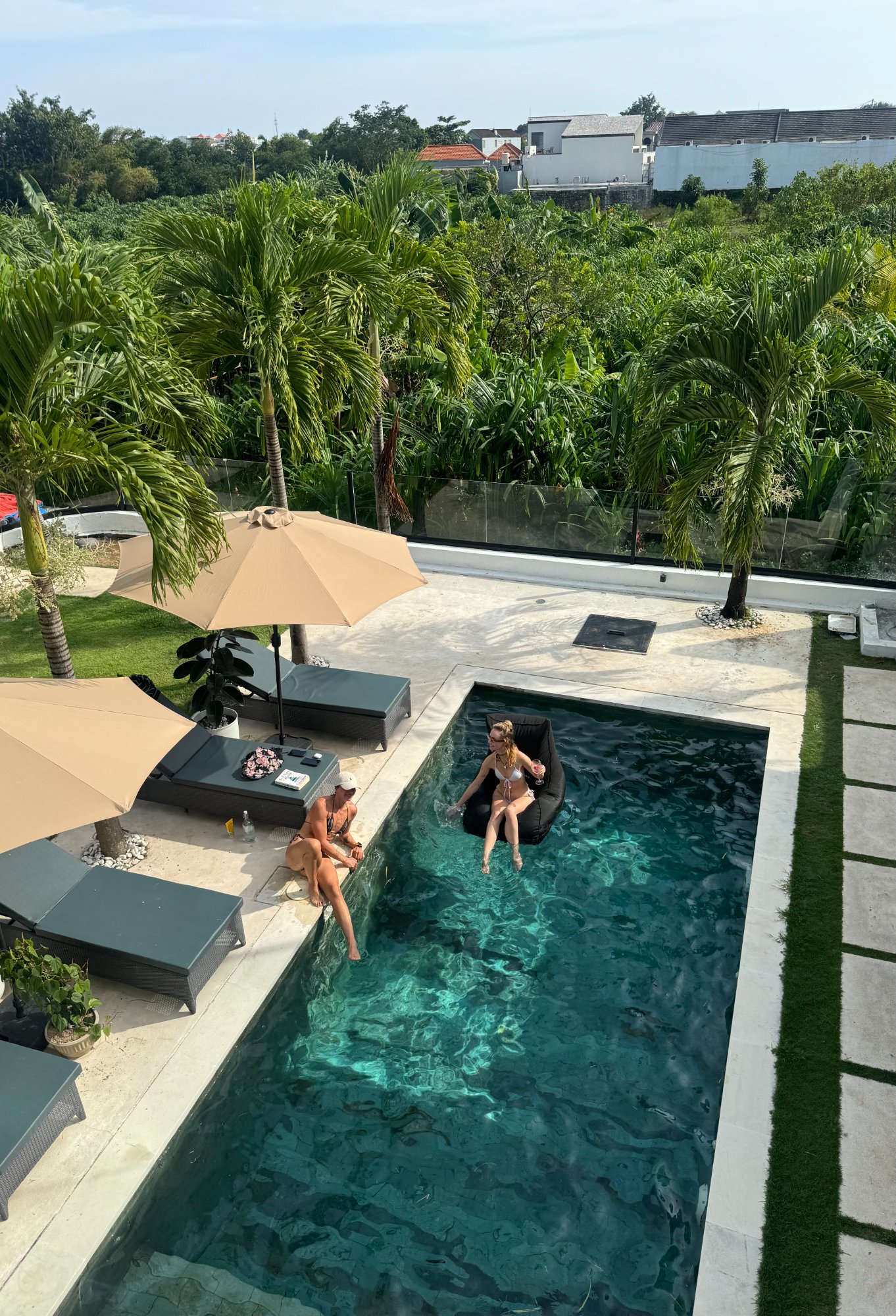
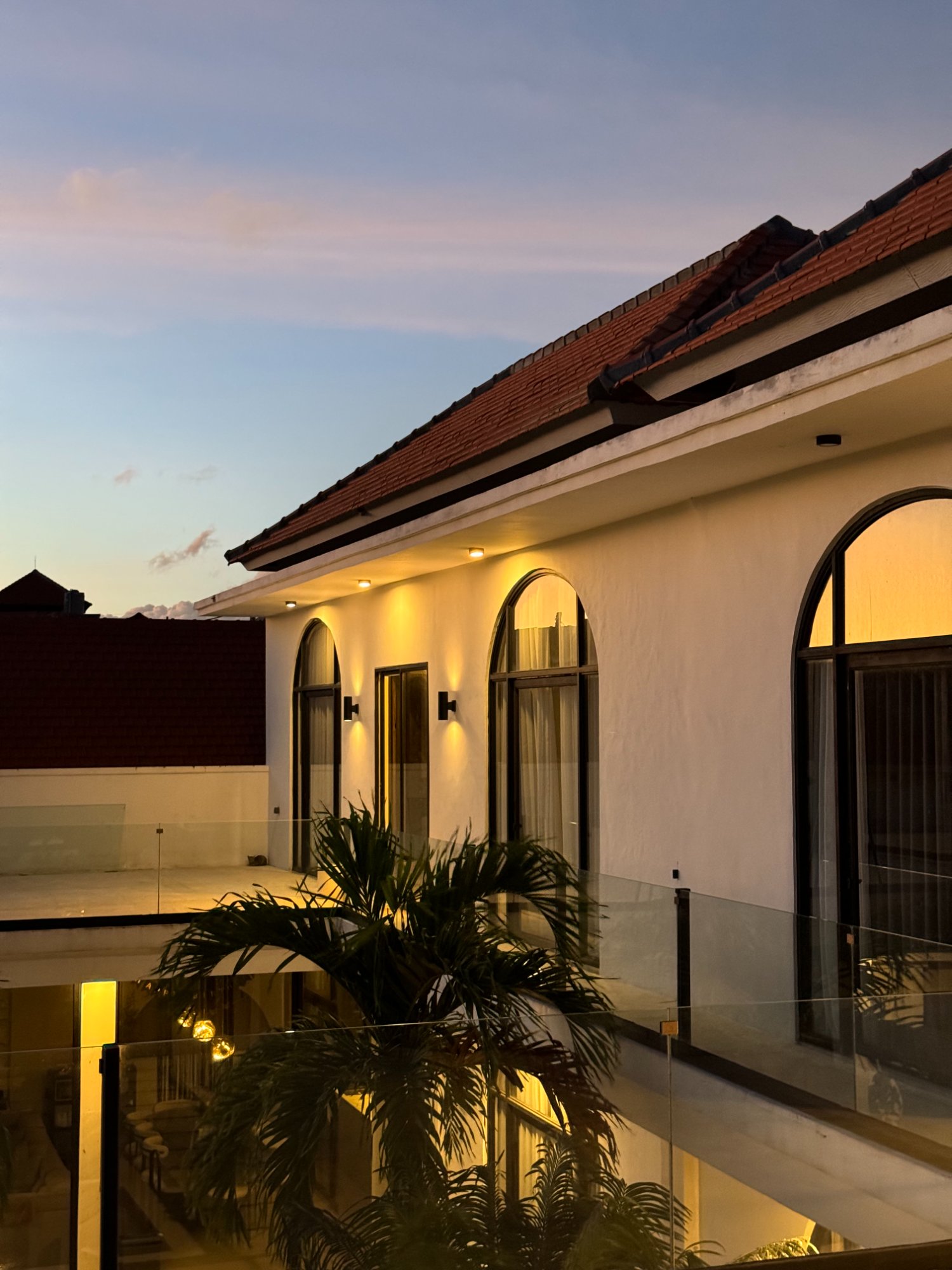
A good coliving space for founders solves the isolation problem without creating the distraction problem. The key is in the word "good." Not every coliving space works. The ones that do share a few qualities. In Bali, founder-focused coliving like Foundera in Canggu is built around exactly these dynamics.
Ambient accountability. When you live alongside other people who are working hard on their own things, it creates a gentle pressure to show up and do the work. Not competitive pressure. More like "everyone at the breakfast table is excited about what they built yesterday, and I want to feel that way too."
Casual feedback loops. The best startup advice doesn't come from formal mentoring sessions. It comes from casual conversations over dinner. "Hey, I'm stuck on how to price this thing" over a shared meal can yield better insight than an hour with a paid consultant, because the person giving advice is dealing with similar problems right now.
Emotional bandwidth. Having people around who understand the emotional rollercoaster of building a company is underrated. When a big deal falls through, you need someone who doesn't just say "that sucks" but who says "that happened to me in January, and here's how I got through it." Coliving provides that naturally.
The Common Objections
"I need quiet to focus." Good coliving spaces have dedicated, quiet offices separate from social areas. You get deep work during the day and social connection in the evenings. It's not one or the other.
"I'm an introvert." Many of the most productive coliving residents we've hosted are introverts. The beauty of the format is that social interaction is available but not forced. You can join dinner or skip it. The introvert-friendly version of coliving is actually one of the best: you get connection when you want it and solitude when you need it.
"It's more expensive than getting my own place." Sometimes true on raw rent, but coliving usually includes coworking space, utilities, internet, cleaning, and kitchen access. When you add all those line items to a solo apartment, the difference shrinks or disappears entirely. Plus, the value of the connections and feedback you get is hard to put a price tag on.
When a Solo Apartment Makes Sense
There are situations where living alone is the right call. If you're in the deep execution phase, with your product live and growing, and your main need is uninterrupted coding or writing time, a quiet apartment with a great desk setup can work well. Similarly, if you're traveling with a partner or family, coliving may not be practical.
But if you're in the early stages of building, if you're still figuring out your product, your market, or your strategy, the people around you will shape your trajectory more than any other single factor. Coliving puts the right people around you by default.
The Decision Framework
Ask yourself two questions: Am I making decisions every day that I wish I could discuss with someone who understands? And do I have a local community of founders I see regularly? If the answer to the first is yes and the second is no, coliving isn't just a nice-to-have. It's probably the highest-leverage change you can make to your working life right now.