When you're looking for somewhere to live and work as a founder, two options come up constantly: hacker houses (also called founder houses) and coworking hotels. On the surface they seem similar. Both give you a room and a place to work. But in practice, they produce very different experiences.
We've lived in both. Here's what we've learned about what actually matters.
What Is a Hacker House?
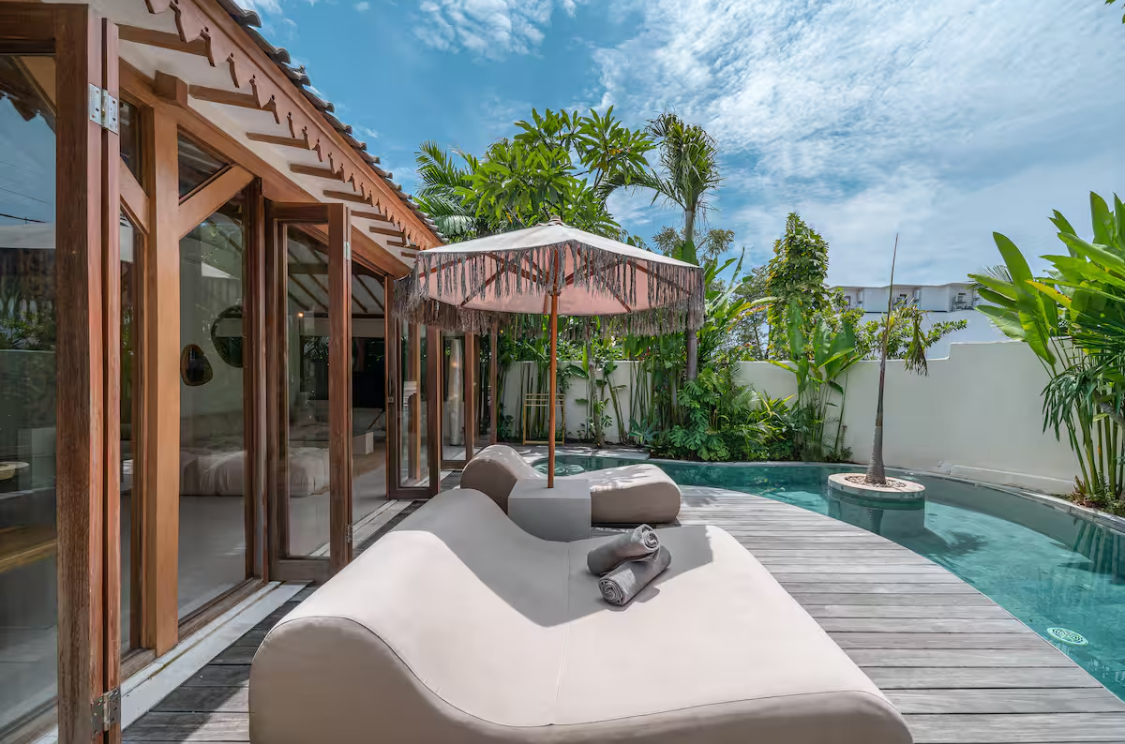
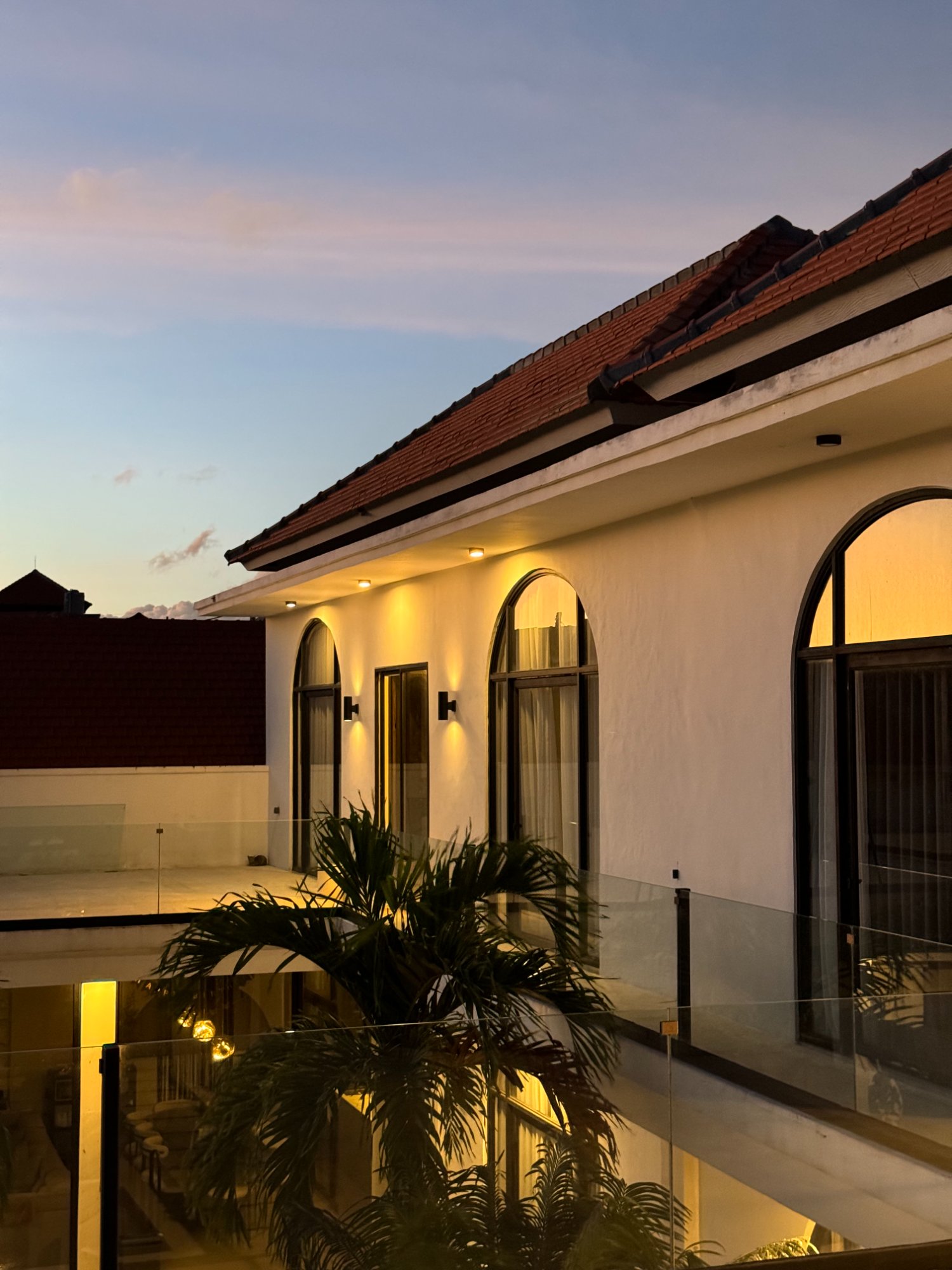
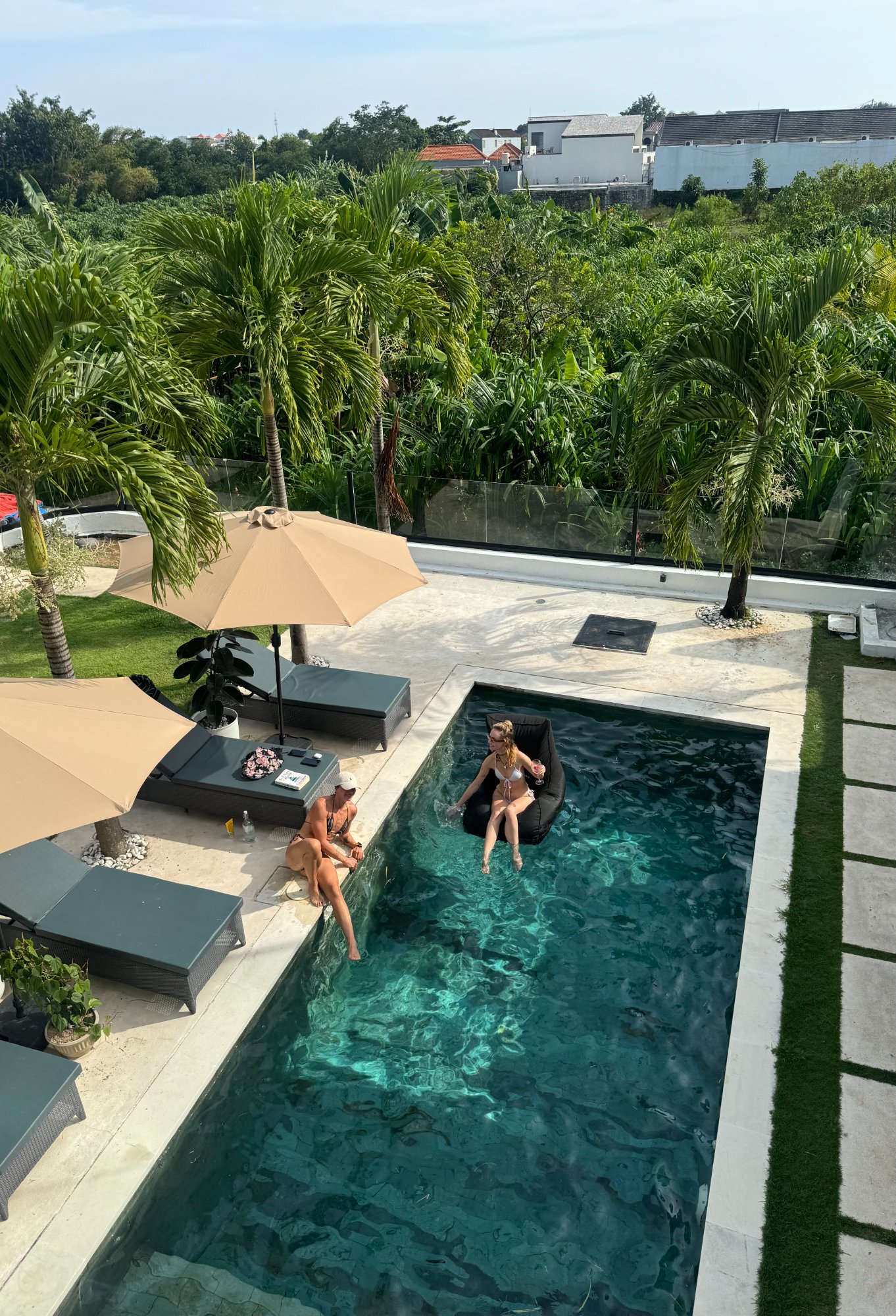
A hacker house is typically a shared villa or house where a small group of founders, engineers, or builders live together for weeks or months at a time. Think of it like a group house, but everyone is working on their own startup or project. The best ones have a dedicated office space, fast internet, and some kind of curation process so the residents are all roughly on the same wavelength. Founder houses like Foundera in Bali are a good example of the format done well.
The format originated in Silicon Valley, where early-stage founders would rent a house together to save money and work around the clock. It's since spread globally, with hacker houses now common in Bali, Lisbon, Mexico City, and Bangkok.
What Is a Coworking Hotel?
A coworking hotel combines hotel-style accommodation with a shared workspace. You get a private room (usually cleaned daily), access to a coworking floor or lounge, and hotel amenities like a pool, gym, or restaurant. Examples include Outsite, Sokkool, and various boutique operations across Bali and Southeast Asia.
The key difference from a hacker house: there's less shared living, less community overlap, and the guest mix is broader. You might be next to a founder, a freelance designer, a travel blogger, and someone on holiday.
Workspace: Where the Gap Is Biggest
This is where hacker houses usually win. A good founder house will have standing desks, ergonomic chairs, whiteboards, and meeting rooms. The workspace is built for people who spend 8-12 hours a day working on complex problems.
Coworking hotels tend to treat the workspace as a secondary feature. You'll often find a room with tables and WiFi, but no meeting rooms, and chairs that look stylish but destroy your back after three hours. There are exceptions, but the pattern holds.
If your work involves lots of video calls, coding, or anything that benefits from a serious desk setup, a hacker house will make you significantly more productive.
Community: Depth vs Breadth
Hacker houses have smaller, tighter communities. You'll eat together, work in the same room, and naturally end up talking about what you're building. The relationships tend to be deeper. After a month in a good founder house, you'll have 6-10 people who genuinely understand your business and can give you useful feedback.
Coworking hotels have more people, but shallower connections. You'll meet a wider variety of folks, which can be interesting, but the conversations often stay at surface level. People check in and out on different schedules, so there's less continuity.
For founders specifically, depth beats breadth almost every time. You don't need 50 acquaintances. You need 5 people who understand your domain and care about your progress.
Cost: It Depends on How You Calculate
On paper, hacker houses are often cheaper. A typical founder house in Bali runs $800-1,500/month for a private room with all amenities included. A comparable coworking hotel might be $1,500-2,500/month.
But the real cost difference is in hidden expenses. Coworking hotels often charge separately for workspace access, laundry, and other services that are included at a hacker house. On the flip side, hacker houses might not include daily room cleaning or have 24/7 front desk support.
The biggest cost factor, though, isn't the money. It's the productivity delta. If a better workspace saves you even one hour per day, that compounds fast over a month or three.
Flexibility: Hotels Win Here
If you need to book for just a week or two, coworking hotels are easier. Most hacker houses prefer monthly commitments, and some require a minimum stay of 2-4 weeks. Hotels let you book a few nights and extend if you like it.
This makes hotels a good option for your first visit to a new city. Try a coworking hotel for a week, get your bearings, then move to a hacker house once you've found one you like.
Which Should You Choose?
If you're staying less than two weeks in a new city, go with a coworking hotel. The flexibility is worth it, and you'll want to scout the area before committing.
If you're staying a month or more and your priority is getting serious work done alongside other founders, a hacker house is almost always the better choice. The workspace, the community, and the overall environment are purpose-built for what you're trying to do.
The best setup we've seen: book a coworking hotel for your first 3-5 days, visit a few hacker houses in person, then move into the one that fits. Your future self will thank you for the effort.