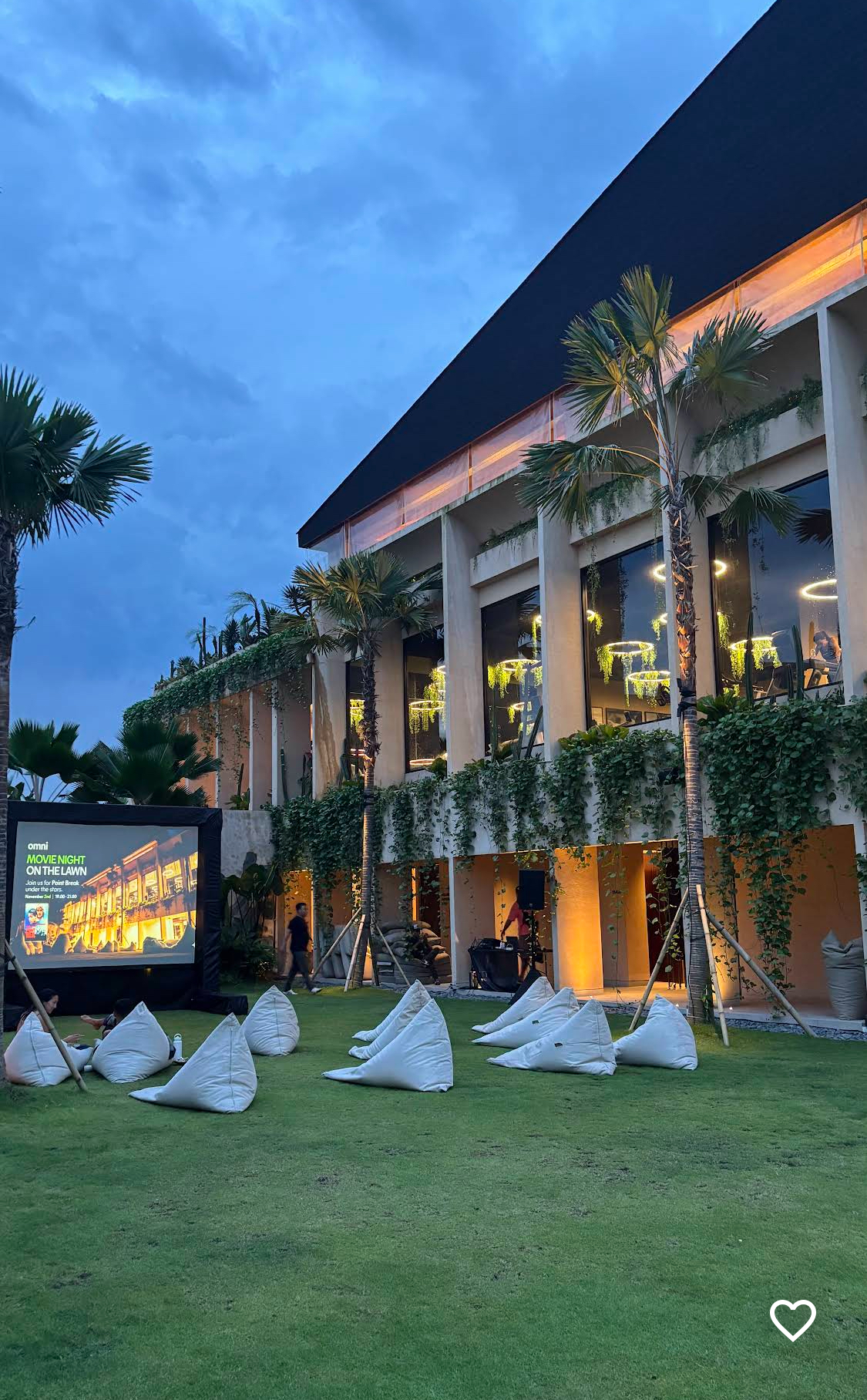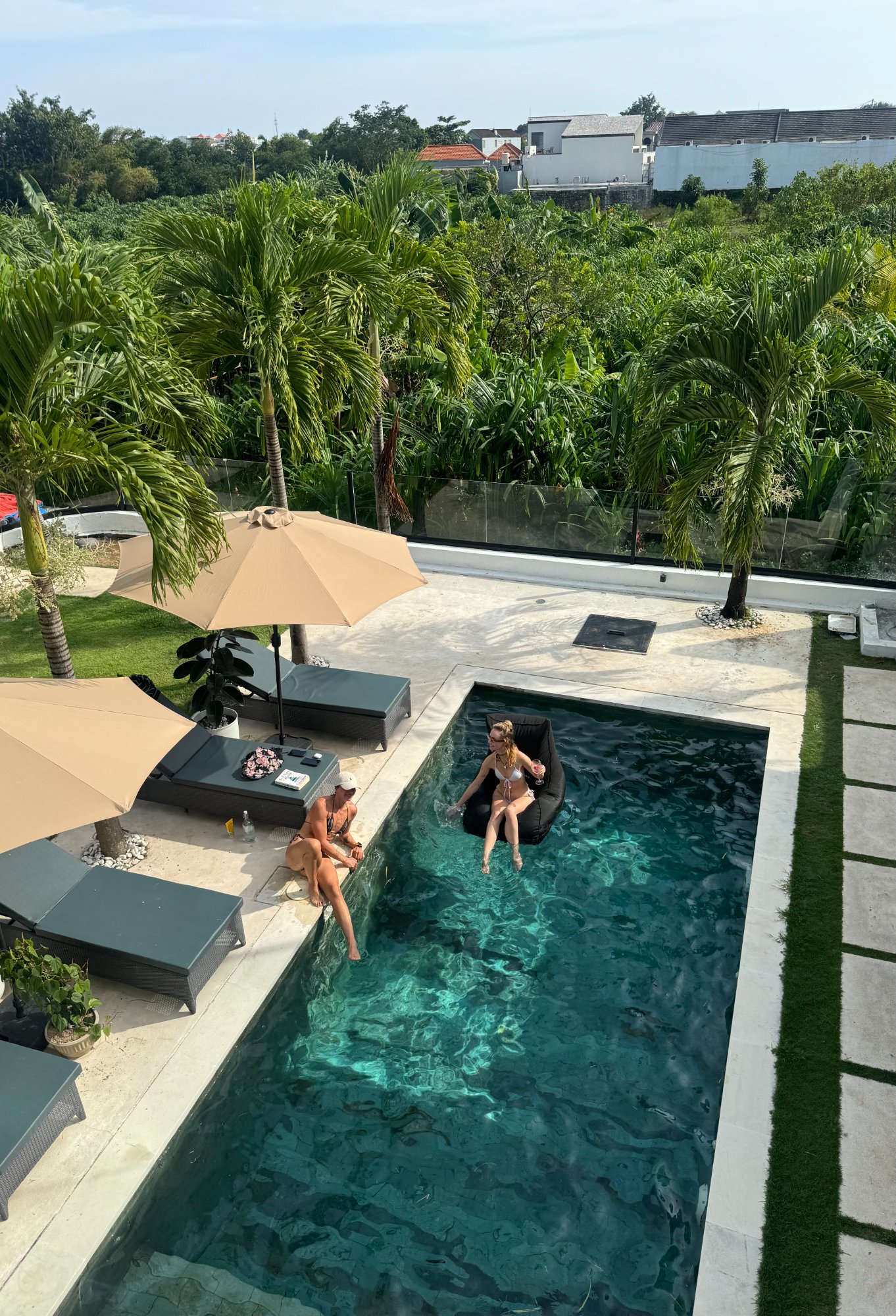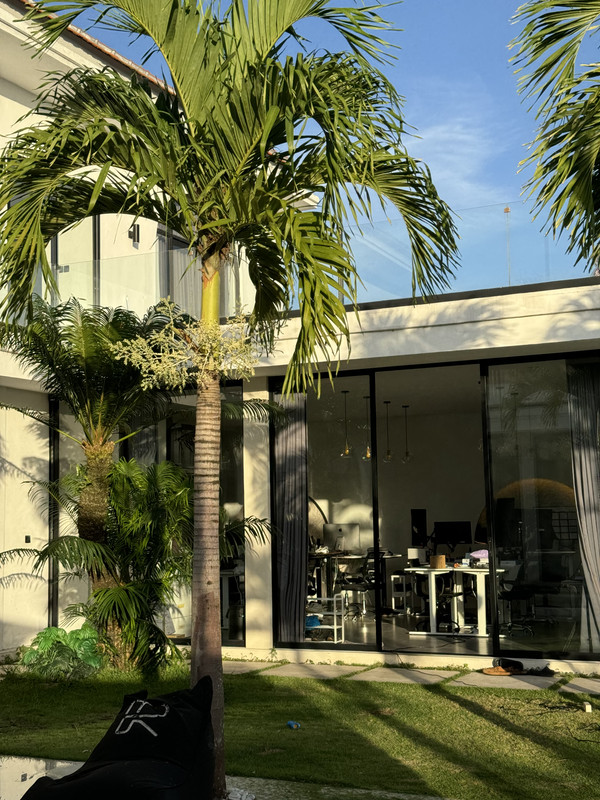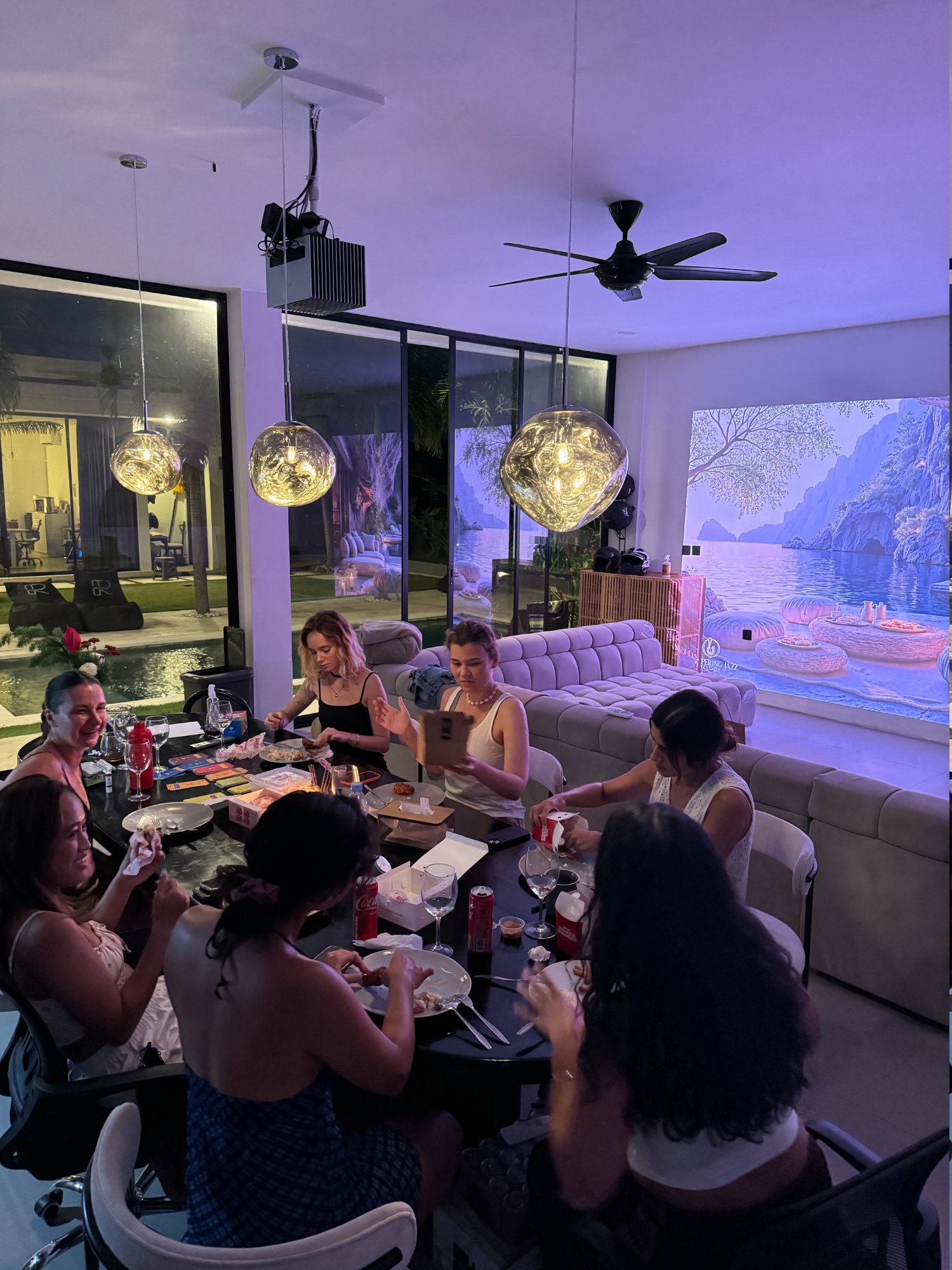
After talking to dozens of founders who've lived in coliving spaces across multiple countries, we've noticed a pattern. First-timers focus on the photos. Experienced nomads focus on a completely different set of criteria. Here's the checklist the veterans use.
The Non-Negotiables
1. Run a speed test during their peak hours. Not a speed test on the website. An actual test during the hours you plan to work. Ask the host for a video call so you can see the connection quality live. Morning speeds mean nothing if you work afternoons.
2. Ask about backup internet. Does the space have a secondary provider? What happens when the main line goes down? In Bali, power and internet outages happen. Good spaces have redundancy built in. Bad ones don't know what you're talking about when you ask.
3. Check the workspace is separate from the living area. If the "coworking space" is a table in the living room, it's not a coworking space. You need a dedicated room or building with doors that close. Noise from the kitchen and common areas will make calls impossible.
4. Confirm what "private room" actually means. Does private mean ensuite bathroom? Does it have air conditioning? A door that locks? A desk you can actually work at, or a tiny table wedged between the bed and the wall? Ask for photos of the room you'll actually get, not just the best room they have.
5. Understand the community curation process. The single biggest quality differentiator between coliving spaces is who else lives there. Ask: how do you select residents? Is there an application process? What percentage of current residents are founders or builders? A space with no curation process will have a random mix that may or may not include anyone relevant to your goals.
The Important Details
6. Check the minimum stay. Some spaces offer weekly rates but the real community doesn't form until you've been there a month. Conversely, some spaces require 3-month commitments. Make sure the terms match your plans.
7. Ask about noise after 10pm. Is the house a quiet-by-10pm operation, or is it common for people to socialize (loudly) until 2am? Neither is wrong, but one of them will ruin your sleep if you're a morning person.
8. Look at the kitchen situation. If you want to cook some meals to save money or eat healthier, check that the kitchen is properly equipped and that you'll have fridge space. Shared kitchens in coliving spaces range from excellent to unusable.
9. Understand the cleaning schedule. Is your room cleaned weekly? Twice a week? Never? Are common areas cleaned daily? This matters more than you'd think after a month.
10. Check the location on Google Maps, not just the address. "Canggu" covers a huge area. A space on the quiet outskirts of Pererenan is a very different experience from one on busy Batu Bolong. Map the distance to the things you'll use daily: gym, grocery store, cafes, beach.
The Things People Forget
11. Ask about previous residents. Can you contact anyone who's stayed there recently? Good spaces will happily connect you with alumni. Spaces that dodge this question are a red flag.
12. Check the power situation. In some locations (especially Southeast Asia), power outages are common. Does the space have a backup generator or UPS system? Losing power mid-meeting is not fun.
13. Look at the desk and chair quality. This one sounds minor but it's not. You'll spend 6-10 hours a day at this desk. A wobbly table and a plastic chair will wreck your back. Look for standing desk options and proper ergonomic chairs.
14. Ask what's included in the price. Electricity, water, internet, cleaning, laundry, coworking, kitchen supplies. Some spaces include everything. Others list a low headline price and then charge for extras. Get the fully-loaded number before comparing.
15. Trust your instinct on the host/manager. The person running the house sets the tone for the entire experience. If they're responsive, detail-oriented, and genuinely care about the community, the space will be good. If they take days to reply and seem more interested in filling rooms than building a community, look elsewhere.
The Priority Stack
If you have to compromise (and you usually do), here's the order that matters most for founders: internet reliability, workspace quality, community curation, room comfort, location, price. Most first-timers prioritize price and location. Most veterans prioritize internet and community. There's a reason for that. If you'd rather start somewhere that already checks these boxes, purpose-built founder houses like Foundera in Canggu are designed around this exact priority stack.